Mattasya: A Script Handwritten Font for Editorial Elegance
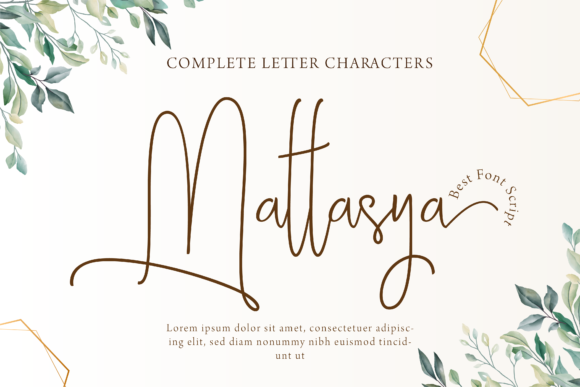
Mattasya, Script Handwritten, and Fonts converge in a way that feels less like a digital asset and more like a carefully considered editorial decision. I first encountered this typeface while redesigning the header for a lifestyle blog that had outgrown its rigid, corporate sans-serif identity. The client wanted warmth without losing sophistication, a balance that is notoriously difficult to strike in web typography. As I tested various options, Mattasya stood out not just for its aesthetic appeal, but for its structural integrity. It possesses a rhythm that mimics natural handwriting, yet it maintains the consistency required for professional publication design. This review explores how this specific script font can elevate content layouts, from digital magazines to printable planners, by offering a blend of charm and elegance that supports rather than overwhelms the reader’s experience.
Using Mattasya for Wedding Invitations and Elegant Branding
Mattasya, Script Handwritten, and Fonts are often discussed in the context of personal projects, but their application in high-stakes branding and event design is where they truly shine. When designing wedding invitations, the primary goal is to convey emotion through typography. Mattasya feels equally charming and elegant, making it an ideal candidate for couples who want their stationery to feel personal yet polished. Unlike some overly casual scripts that can appear messy at larger sizes, this font maintains clean lines and distinct letterforms. This clarity is crucial when printing on textured paper or using foil stamping techniques, where fine details can sometimes get lost. Beyond weddings, this same elegance translates beautifully to thank you cards and greeting cards for boutique brands. The font’s ability to look stunning on these intimate touchpoints helps businesses create a memorable brand identity that feels handcrafted and thoughtful. For logo design, particularly in the beauty, wellness, or artisanal food sectors, Mattasya offers a distinctive voice that separates a brand from competitors using generic system fonts. It suggests a human touch, which is increasingly valuable in a digital-first marketplace.
Enhancing Editorial Layouts with Mattasya Pull Quotes and Headers
Mattasya, Script Handwritten, and Fonts play a pivotal role in establishing visual hierarchy within long-form content. In editorial design, breaking up dense text is essential for maintaining reader engagement. I recently used Mattasya for pull quotes in a digital magazine feature on slow living. The result was immediate: the quotes became focal points that drew the eye down the page, encouraging readers to pause and reflect. The font’s handwritten nature adds a layer of intimacy to the text, making the content feel like a conversation rather than a lecture. However, using a script font for headers requires careful consideration of spacing and size. Mattasya works best when given room to breathe. Crowding it with other elements diminishes its impact. For blog headers and article titles, it provides a sophisticated contrast to standard body copy. It is important to note that while Mattasya is versatile, it is primarily a display font. It is not suited for body copy, small captions, or dense paragraphs. Its expressive curves and connections can become illegible at smaller sizes, so it should be reserved for headlines, subheadings, and decorative accents. This strategic use ensures that the font enhances readability rather than hindering it, supporting the overall structure of the publication.
Pairing Mattasya with Serif and Sans Serif Fonts for Readability
Mattasya, Script Handwritten, and Fonts achieve their full potential when paired with complementary typefaces that prioritize legibility. A common mistake in amateur design is pairing two expressive fonts, which creates visual noise and confuses the reader. To maintain a calm, expert aesthetic, I recommend pairing Mattasya with a clean sans serif font for navigation and captions, or a classic serif font for body text. For instance, in a recipe ebook layout, using Mattasya for the dish titles and a highly readable serif for the instructions creates a balanced and inviting presentation. The contrast between the organic flow of the script and the structured geometry of the sans serif or serif creates a dynamic tension that keeps the design interesting. This pairing strategy is also effective for business cards and logos, where space is limited. The script font draws attention to the brand name, while the secondary font ensures that contact information and taglines are easily read. When designing for screen reading, mobile layouts, and PDF exports, this contrast becomes even more critical. Mobile screens vary in resolution and size, so ensuring that the body text is distinct from the decorative headers prevents user fatigue. By thoughtfully combining Mattasya with functional typefaces, designers can create cohesive brand identities that are both visually striking and user-friendly.
Practical Considerations for Digital Products and Commercial Licensing
Mattasya, Script Handwritten, and Fonts require due diligence before being integrated into commercial projects such as course PDFs, coaching workbooks, or paid newsletters. Before finalizing any design, it is essential to check the included styles, alternates, ligatures, and weights. These features can significantly enhance the versatility of the font, allowing for customization that avoids a repetitive look. For example, using alternate characters in a logo design can create a unique mark that stands out from standard usage. Additionally, verifying multilingual support is crucial for global audiences, ensuring that the font renders correctly across different languages and character sets. File formats also matter; having access to OTF, TTF, and webfont versions ensures compatibility across various platforms, from print materials to web design. Most importantly, understanding commercial font licensing is non-negotiable. Whether you are creating digital downloads, templates, or client publications, you must ensure that your license covers the intended use. This protects both the designer and the client from legal issues and supports the creators who develop these premium font assets. By treating Mattasya as a professional tool rather than just a decorative element, designers can leverage its full potential to create high-quality, engaging content that resonates with audiences and elevates brand perception.