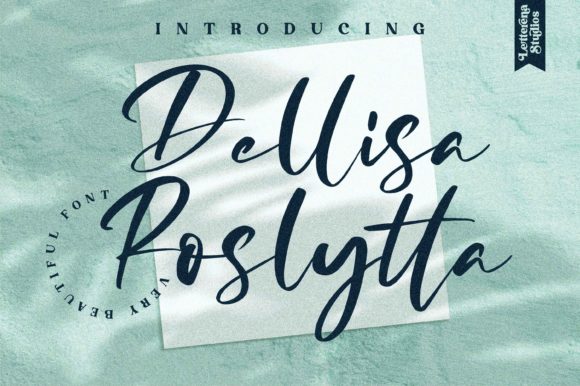
Dellisa Roslytta: A Handwritten Typeface for Editorial Design
When I began redesigning the header for a lifestyle blog focused on slow living and home aesthetics, I needed a typeface that felt personal yet polished. Dellisa Roslytta emerged as the ideal candidate among the many Script Handwritten Fonts I tested that week. This font is not merely decorative; it carries a rhythmic flow that mimics natural penmanship, offering a warmth that standard digital fonts often lack. For publishers and content creators, finding a font that balances artistic expression with legibility is crucial, and Dellisa Roslytta strikes this balance with remarkable ease.
Establishing Brand Identity with Dellisa Roslytta for Logos and Packaging
In the realm of branding projects, the right typography can define a company’s voice before a single word is read. Dellisa Roslytta excels in creating memorable logos for boutique brands, particularly those in the wellness, beauty, or artisanal food sectors. Its fluid strokes suggest craftsmanship and care, qualities that resonate deeply with modern consumers. When applied to product packaging, the font transforms a simple label into a tactile experience. I have seen it work beautifully on minimalist coffee bags and organic skincare jars, where the handwritten aesthetic contrasts elegantly with clean, sans-serif informational text. This juxtaposition creates a visual hierarchy that guides the eye while maintaining a sophisticated mood.
Beyond packaging, this typeface shines in homeware designs. Imagine a ceramic mug featuring a morning affirmation or a linen tote bag with a witty phrase. Dellisa Roslytta adds a human touch to these everyday objects, making them feel curated rather than mass-produced. For designers working on shopping bags or retail collateral, using this font can elevate the unboxing experience, reinforcing brand loyalty through consistent, high-quality visual identity.
Enhancing Readability and Mood in Digital Publications and Newsletters
For digital publishers, the challenge lies in maintaining reader engagement without sacrificing clarity. Dellisa Roslytta is a powerful tool for newsletter graphics and email headers, where capturing attention in a crowded inbox is paramount. As one of the most versatile Script Handwritten Fonts available, it allows editors to create distinct section breaks or highlight key quotes without disrupting the flow of the main content. However, it is essential to use it judiciously. While it is perfect for titles and pull quotes, it should not replace body copy. The intricate connections between letters, while beautiful, can become difficult to parse at small sizes or on mobile screens.
In my recent work on a digital magazine layout, I used Dellisa Roslytta for chapter openers and feature headlines. The result was a publication that felt intimate and inviting, akin to reading a letter from a friend. This approach supports the editorial mood, creating a sense of connection between the writer and the audience. For quotes and testimonials, the font adds emphasis and emotional weight, encouraging readers to pause and reflect. It is particularly effective in lifestyle blogs and coaching workbooks, where the tone is often conversational and supportive.
Creating Cohesive Visuals for Printables and Educational Materials
The demand for high-quality printables has surged among educators, coaches, and independent creators. Dellisa Roslytta is exceptionally well-suited for worksheets, printable planners, and course PDFs. Its elegant curves add a layer of professionalism and charm to educational materials, making them more appealing to users. When designing a wedding guide or a recipe ebook, this font can be used for recipe titles, ingredient headers, or decorative elements that break up dense text. It helps structure the content, guiding the reader through the material with visual cues that are both functional and aesthetically pleasing.
For posters and promotional materials, the font’s bold personality ensures that key messages stand out. Whether it is a workshop announcement or a motivational print for a home office, Dellisa Roslytta commands attention while retaining a soft, approachable vibe. Designers should consider pairing it with a clean, neutral sans-serif font for secondary information to ensure overall readability. This combination maintains the artistic integrity of the design while ensuring that practical details, such as dates and locations, are easily accessible.
Technical Considerations and Pairing Strategies for Professional Designers
Before integrating Dellisa Roslytta into a commercial project, it is vital to review the technical specifications. As with any premium font, understanding the included styles, alternates, and ligatures is crucial for achieving a natural look. Many Script Handwritten Fonts offer contextual alternates that prevent repetitive letterforms, enhancing the authenticity of the handwriting effect. Designers should also verify multilingual support if the project targets a global audience, ensuring that special characters and accents are rendered correctly.
Font pairing is another critical aspect of successful editorial design. Dellisa Roslytta pairs beautifully with modern serif fonts for a classic, literary feel, or with geometric sans-serifs for a contemporary, clean look. The key is contrast. Since Dellisa Roslytta is expressive and detailed, the accompanying fonts should be understated and highly legible. This balance ensures that the design remains cohesive and that the primary message is not lost in decorative excess. For web design and social media graphics, testing the font across different devices and screen sizes is essential to maintain its impact and readability.
Ultimately, Dellisa Roslytta is more than just a typeface; it is a design asset that enhances brand identity and reader engagement. Whether used for t-shirts, branding projects, or editorial layouts, it offers a unique blend of elegance and authenticity. By understanding its strengths and limitations, designers can leverage this font to create compelling, human-centered content that resonates with audiences across various platforms. Its versatility makes it a valuable addition to any designer’s toolkit, capable of elevating simple projects into polished, professional works of art.